Newborn Essentials for Dads: What You Actually Need in Month One
The short list of newborn essentials for dads, backed by AAP safety advice, plus what to skip. Sleep, car seat, feeding, a basic health kit, diapers and baths.
We choose everything we recommend independently. If you buy through our links, we may earn a commission. How we make money
Our quick picks
- Safe sleep, by your bedHALO BassiNest Essential SleeperCheck price
Meets the federal bassinet standard, per HALO, and makes room sharing easy.
- The ride homeChicco KeyFit 35Check price
Rear-facing infant seat from 4 pounds, with a built-in anti-rebound bar.
- The 3 a.m. fever checkFrida Baby Quick-Read Rectal ThermometerCheck price
Rectal is the most accurate for babies, per the AAP. Backlit for night checks.
In this guide
Baby registries run to a hundred items. The list of newborn essentials for dads that actually matter in month one is much shorter, and most of it is about two things: where the baby sleeps and how the baby rides in the car. Get those right, add feeding gear, a basic health kit and a lot of diapers, and you’re ready.
How we made this list: the “what you need” part comes from the American Academy of Pediatrics and federal safety rules. The products are examples we checked on each maker’s own website in October 2026. We haven’t tested them ourselves, and any product that meets the same standard does the same job.
The short answer
- A safe place to sleep: a bassinet, crib or play yard that meets federal safety standards, a fitted sheet, and a wearable blanket.
- A rear-facing car seat, installed before the due date.
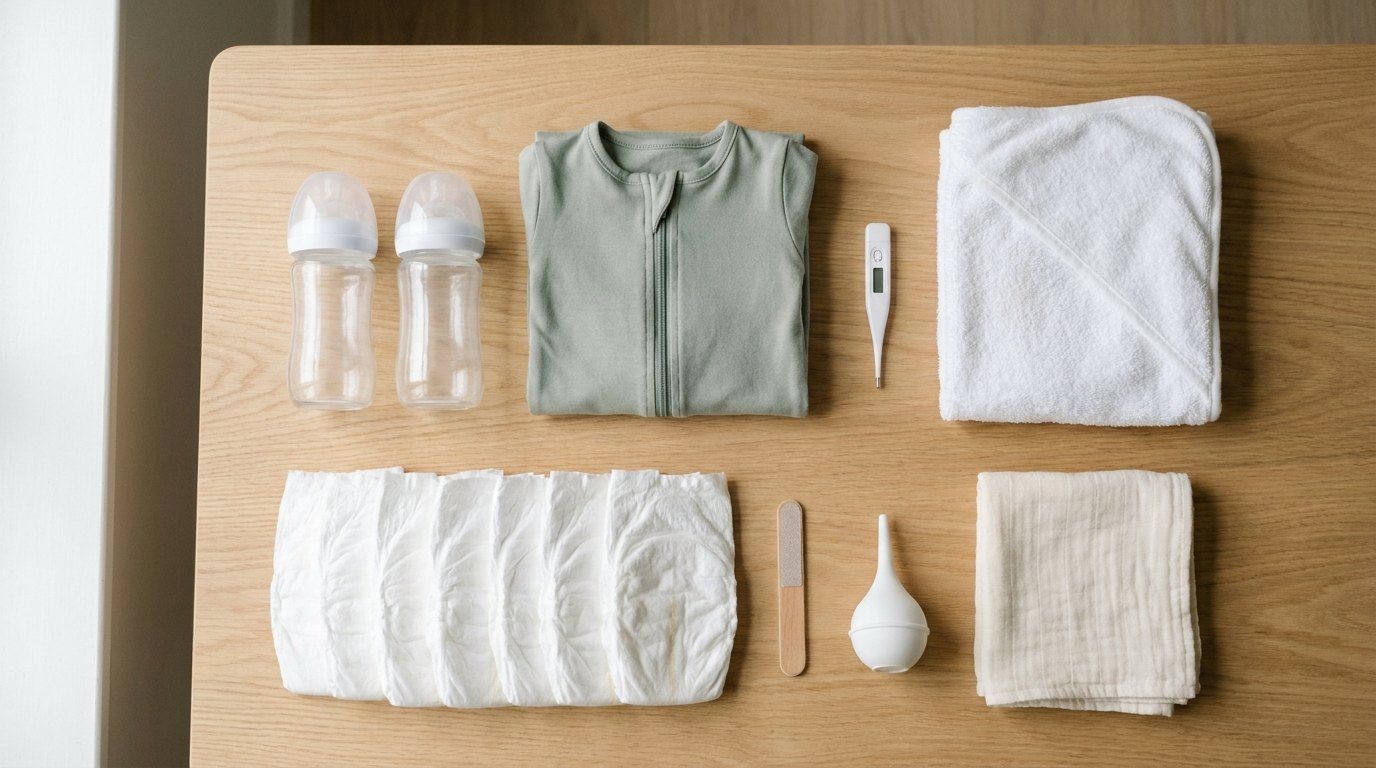
- Feeding gear: a few small bottles, even if your partner plans to breastfeed.
- A health kit: a rectal thermometer, saline drops and a nasal aspirator, and a baby nail clipper or file.
- Diapers, wipes and a few zip-up or snap-up outfits.
- Skip: crib bumpers, inclined sleepers, loungers, weighted sleep sacks, and anything that puts the baby to sleep on a slope or a soft surface.
Sleep: the part to get exactly right
The AAP’s safe sleep rules are simple: baby on their back, on a firm, flat surface, in a crib, bassinet, portable crib or play yard that meets the safety standards of the Consumer Product Safety Commission. Use a fitted sheet only. In the AAP’s words, nothing else should be in the crib with your baby.
The AAP also recommends sharing a room, not a bed, for at least the first six months. A bassinet next to your bed is the easiest way to do that, and it makes night feeds shorter for whoever is on duty.
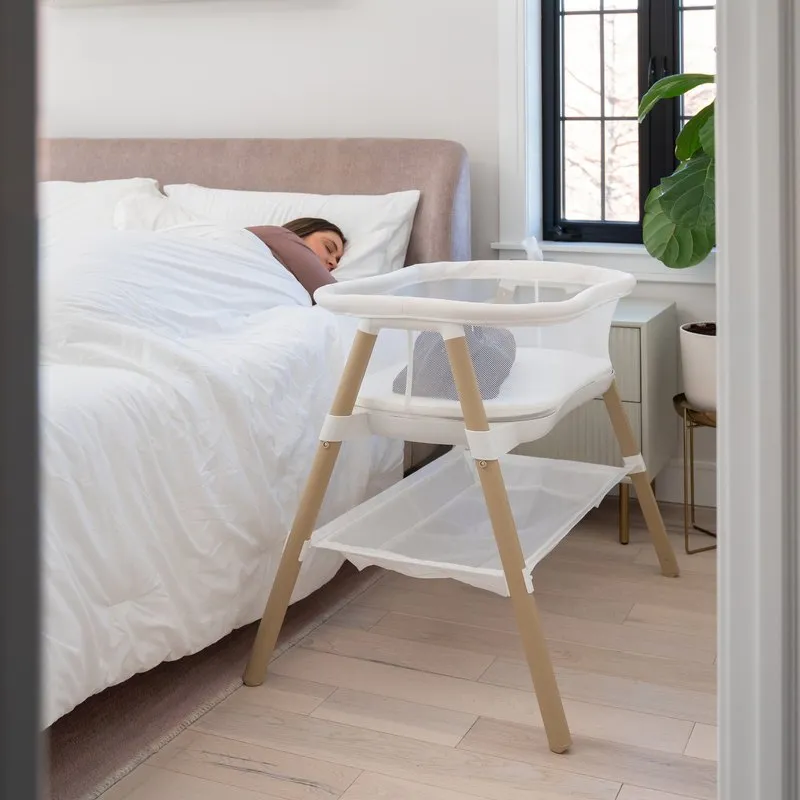
HALO BassiNest Essential Sleeper
A bassinet that stands next to your bed, so the baby sleeps in your room on their own surface, with breathable mesh walls and a fitted sheet included. HALO says every US BassiNest complies with the federal bassinet standard (16 CFR part 1218), and to move the baby to a crib at 20 pounds or 5 months, whichever comes first, or once they push up on hands and knees.
Pros
- Meets the federal bassinet standard, per HALO
- Makes room sharing easy for night feeds
- Fits beside most beds
Cons
- Outgrown at 20 pounds, 5 months, or once the baby pushes up on hands and knees
- Not height adjustable, so check it lines up with your bed
Instead of a blanket, a wearable one. If you’re worried the baby is cold, the AAP says to use a wearable blanket or sleep sack rather than a loose blanket. Dress the baby in no more than one layer more than you’re wearing, and don’t put a hat on them indoors once you’re home from the hospital.
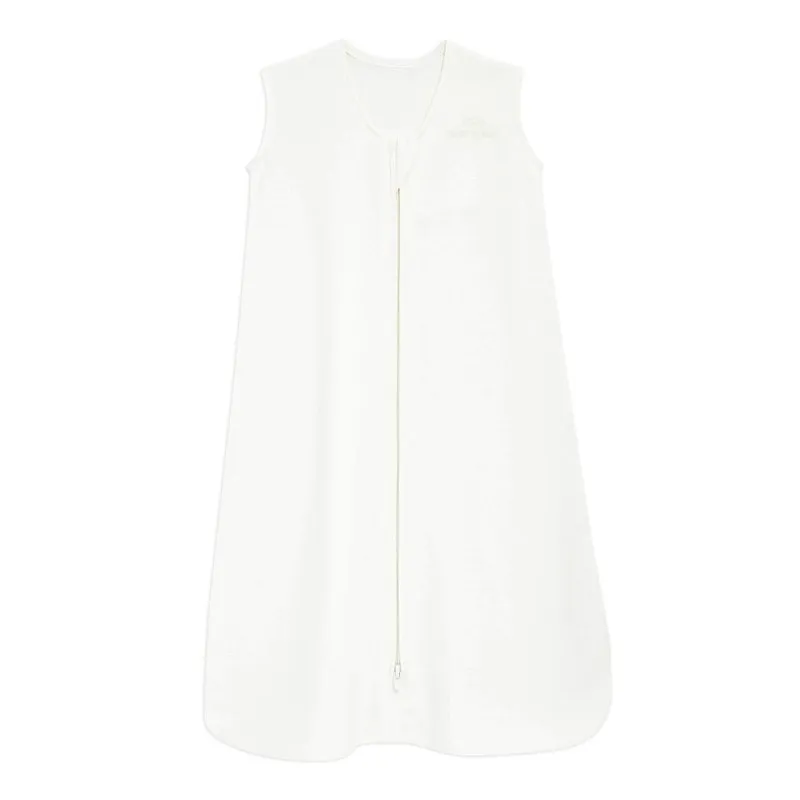
HALO SleepSack Wearable Blanket, 100% Cotton
A sleeveless wearable blanket in breathable 100% cotton (0.5 TOG) that replaces loose blankets in the crib. Not weighted. HALO says it is approved as hip healthy by the International Hip Dysplasia Institute.
Pros
- Replaces loose blankets, which the AAP says to keep out of the crib
- Not weighted
- Inverted zipper for easier diaper changes
Cons
- 0.5 TOG suits a warm room (75 to 77°F, per HALO); pick a thicker TOG for cooler rooms
Never weighted. The AAP says not to use weighted blankets, sleepers, swaddles or other weighted objects on or near your baby. Weighted blankets can make it harder for a baby to breathe.
What to skip: banned and unsafe sleep products
Some of the most-gifted baby items are the ones to keep out of the nursery:
- Crib bumpers. Banned by the Safe Sleep for Babies Act, signed in May 2022.
- Inclined sleepers that raise the baby’s head more than 10 degrees. Also banned by the same law.
- Infant loungers, the padded oval pillows. The AAP says infants have suffocated while sleeping on them.
- Swings, bouncers and rockers are fine for supervised play, but not for sleep.
- The car seat outside the car. The AAP says infant car seats are not made for sleep outside your vehicle. If the baby falls asleep in it on the way home, move them to their bassinet.
The car seat: rear-facing, from the first ride
The AAP says all infants should ride rear-facing from their first ride home, for as long as their seat allows. Rear-facing-only infant seats fit babies up to 22 to 35 pounds and 26 to 35 inches, depending on the model, and usually click into a base that stays in the car.
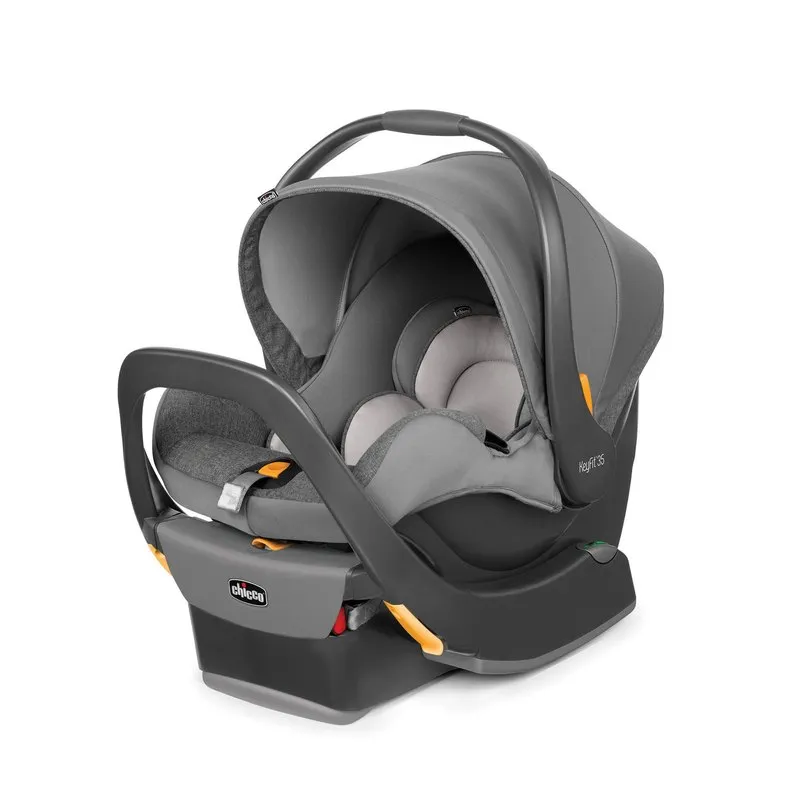
Chicco KeyFit 35 Infant Car Seat
A rear-facing-only infant car seat for babies from 4 to 35 pounds and up to 32 inches, with a newborn positioner and a built-in anti-rebound bar. The carrier weighs 10 pounds.
Pros
- Rear-facing from 4 pounds, so it fits the ride home
- Built-in anti-rebound bar
- Clicks into Chicco strollers
Cons
- For the car only: the AAP says not to let babies sleep in it outside the vehicle
Three things the AAP flags:
- Get it checked before the birth. The AAP suggests working with a certified child passenger safety technician before your baby is born.
- Never in front of an active airbag. Never put a rear-facing seat in the front seat of a car with an active passenger airbag.
- No bulky coats. Winter coats and snowsuits can compress in a crash and leave the straps too loose.
Feeding gear
Even if your partner plans to breastfeed, a few small bottles are worth having. A bottle of pumped milk is how you can take a night feed; see night feeds for dads. In the first week, babies take only about 1 to 2 ounces per feed, according to the AAP, so 4-ounce bottles are plenty to start.
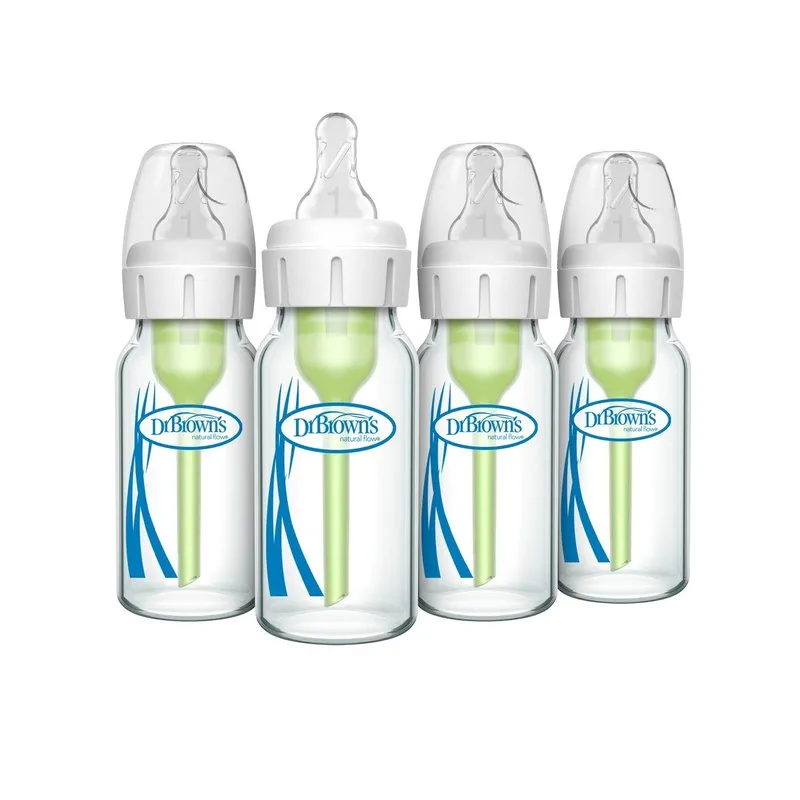
Dr. Brown's Options+ Narrow Glass Bottles, 4 oz (4-pack)
Small 4-ounce glass bottles with Level 1 slow-flow nipples, sized for the first weeks when a feed is 1 to 3 ounces. Dr. Brown's says the glass is heat and thermal-shock resistant.
Pros
- 4-ounce size matches newborn feeds
- Level 1 slow-flow nipple for newborns
- Glass, top-rack dishwasher safe
Cons
- More parts to wash than a simple bottle
- The AAP's bottle-feeding advice notes there is no good evidence for any one brand's anti-colic claims
A bottle warmer is optional. The CDC says breast milk and formula don’t need to be warmed. If you do warm them, use warm water, never the microwave, which can create hot spots.
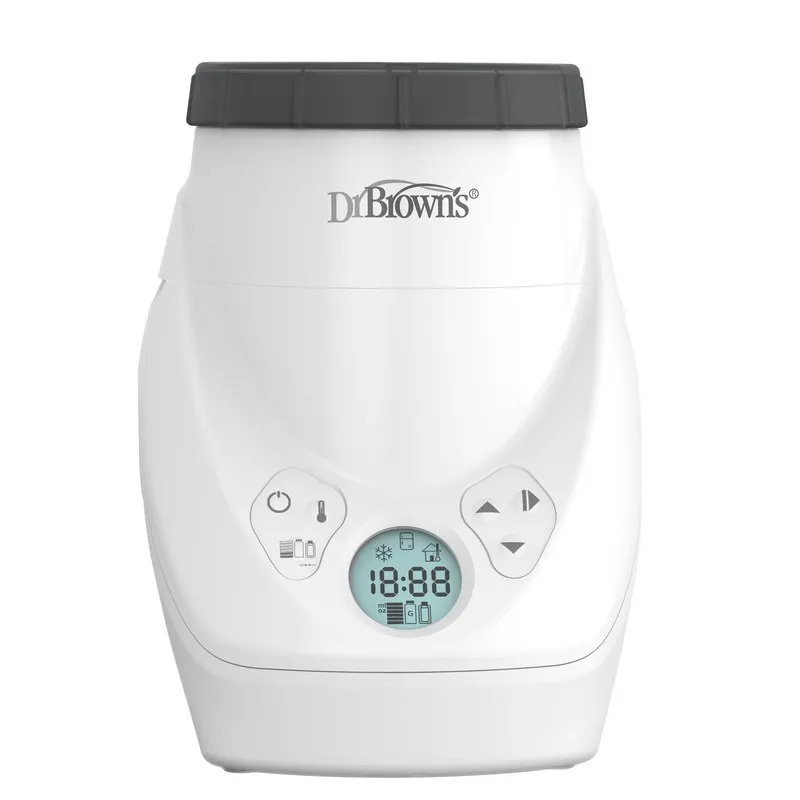
Dr. Brown's MilkSPA Breast Milk & Bottle Warmer
A water-bath warmer that heats breast milk or formula bottles to body temperature, with auto shut-off and a timer. Handy at 3 a.m., though the CDC says milk and formula don't need warming at all.
Pros
- Gentle water bath, no microwave hot spots
- Auto shut-off and timer
- Fits many bottle sizes and milk bags
Cons
- Optional: room-temperature or cold milk is fine if your baby takes it
A basic health kit
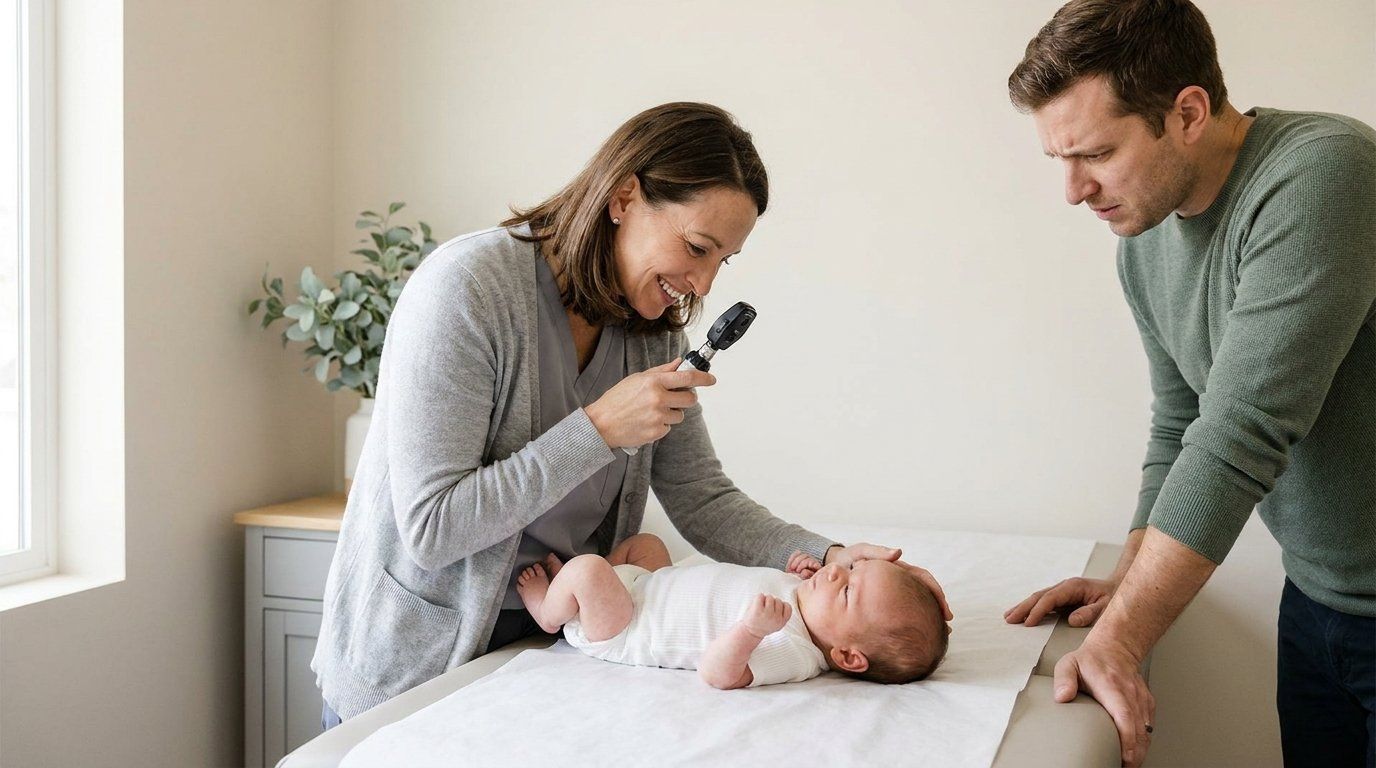
A rectal thermometer. The AAP says rectal temperatures are the most accurate, especially for babies under 3 months. Label it so it never gets used in a mouth. The number to remember: if your baby is younger than 3 months and has a rectal temperature of 100.4°F or higher, call your pediatrician right away.
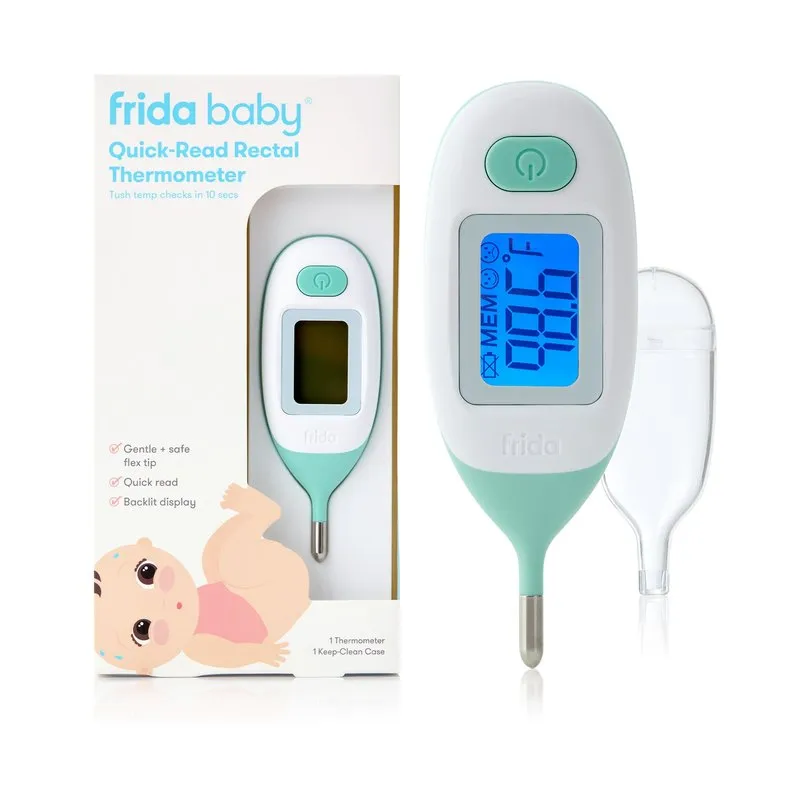
Frida Baby Quick-Read Digital Rectal Thermometer
A digital rectal thermometer with a 10-second read, a backlit display for night checks and memory for the last 10 readings. A flexible tip and stopper keep it from going in too far.
Pros
- Rectal: the most accurate way to check a baby, per the AAP
- Backlit screen for 3 a.m. checks
- Flexible tip with a stopper
Cons
- Label it for rectal use only, so it never ends up in a mouth
Saline drops and a nasal aspirator. For a stuffy nose, the AAP suggests two drops of plain saline in each nostril, then suctioning it out, ideally just before a feed.
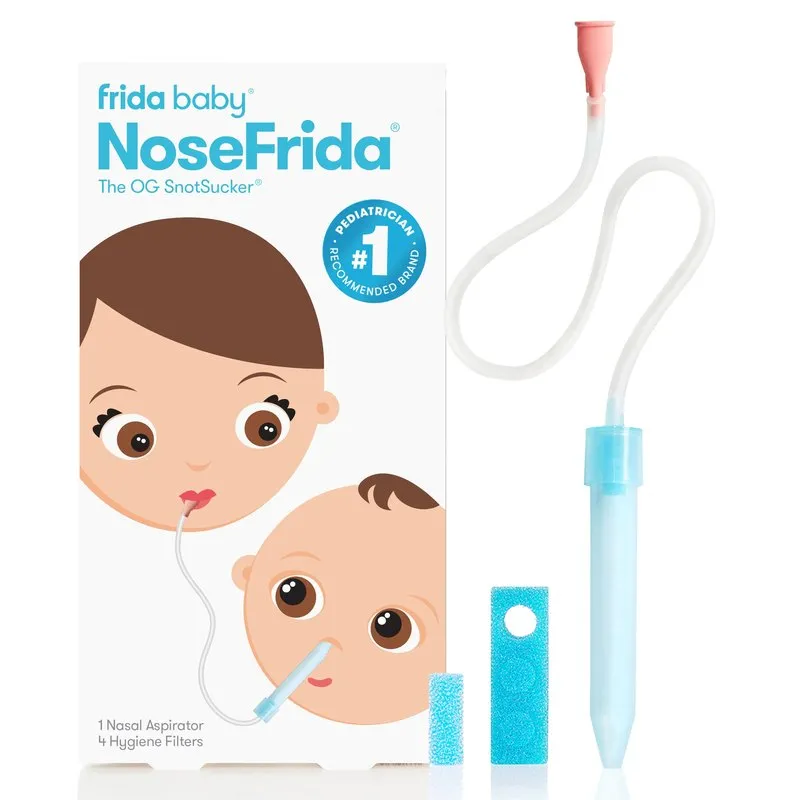
NoseFrida the SnotSucker
A manual nasal aspirator: you suck through a tube, and a disposable filter keeps the mucus in the barrel. It comes with 4 filters; the mouthpiece and tube are top-rack dishwasher safe.
Pros
- Works with saline drops, the AAP's first step for a stuffy nose
- Filters keep it hygienic
- No batteries
Cons
- Replace the filter after every use
A nail clipper or file. Newborn nails need trimming or filing at least once a week, according to the AAP, and it’s easiest while the baby is asleep.
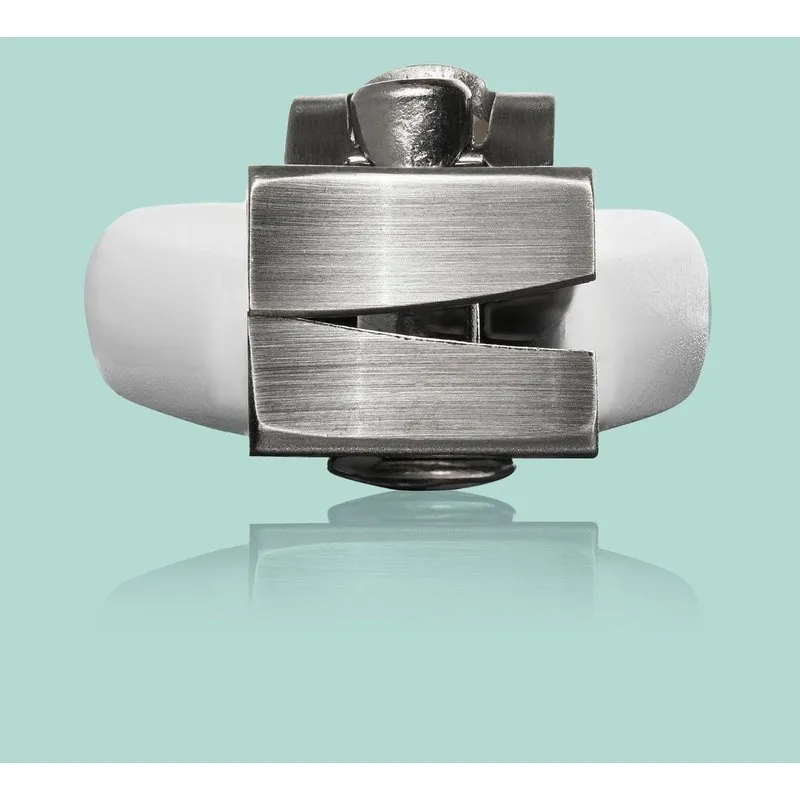
NailFrida SnipperClipper Set
A baby nail clipper with a small "spy hole" so you can see exactly what you're cutting, plus an S-shaped file for tiny fingers. Frida says it works from newborn to toddler.
Pros
- See-through hole makes it harder to nick skin
- Comes with a curved file
- Newborn to toddler
Cons
- Still takes a steady hand: the AAP suggests trimming while your baby sleeps
Diapers, clothes and bath time
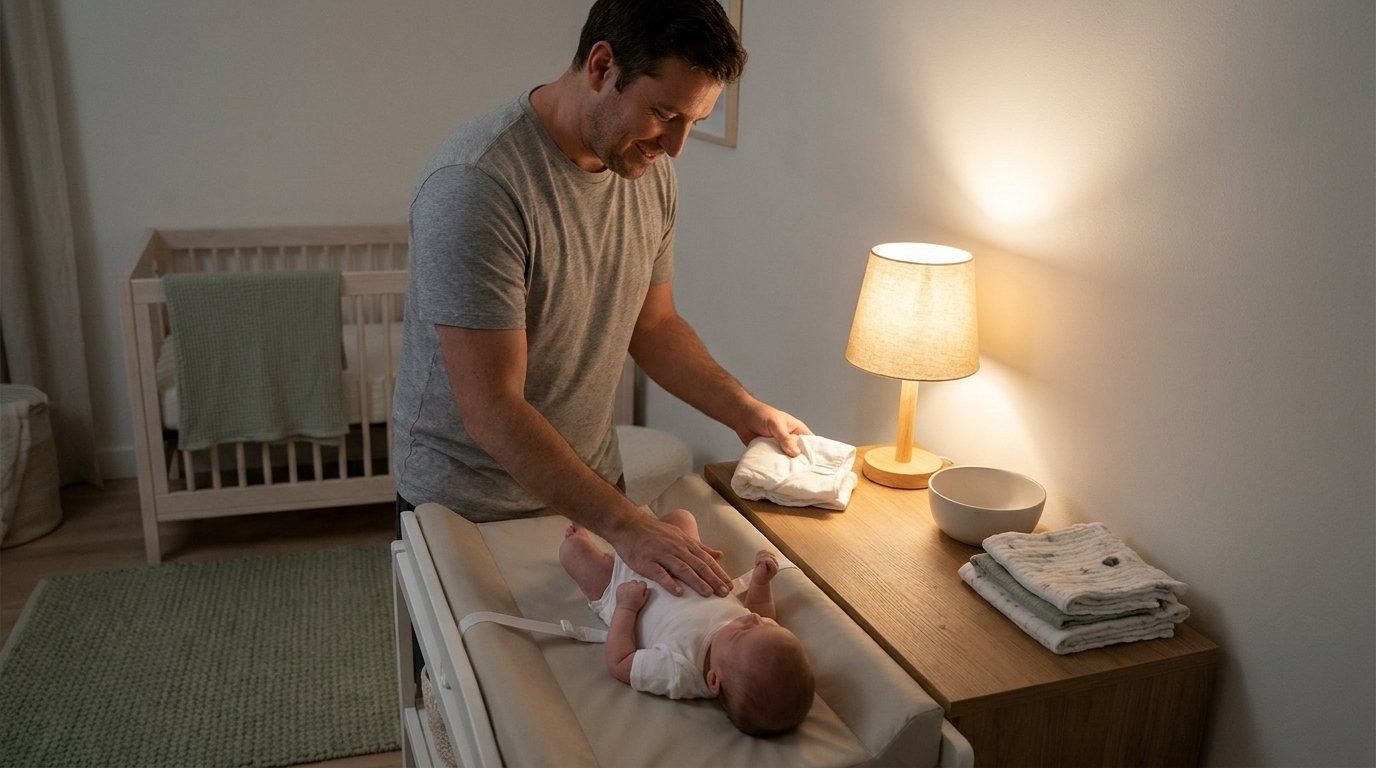
- Diapers: the AAP says to expect as many as 8 to 12 a day.
- Clothes: pick outfits that snap or zip down the front and have no ribbons or strings that could wrap around the neck.
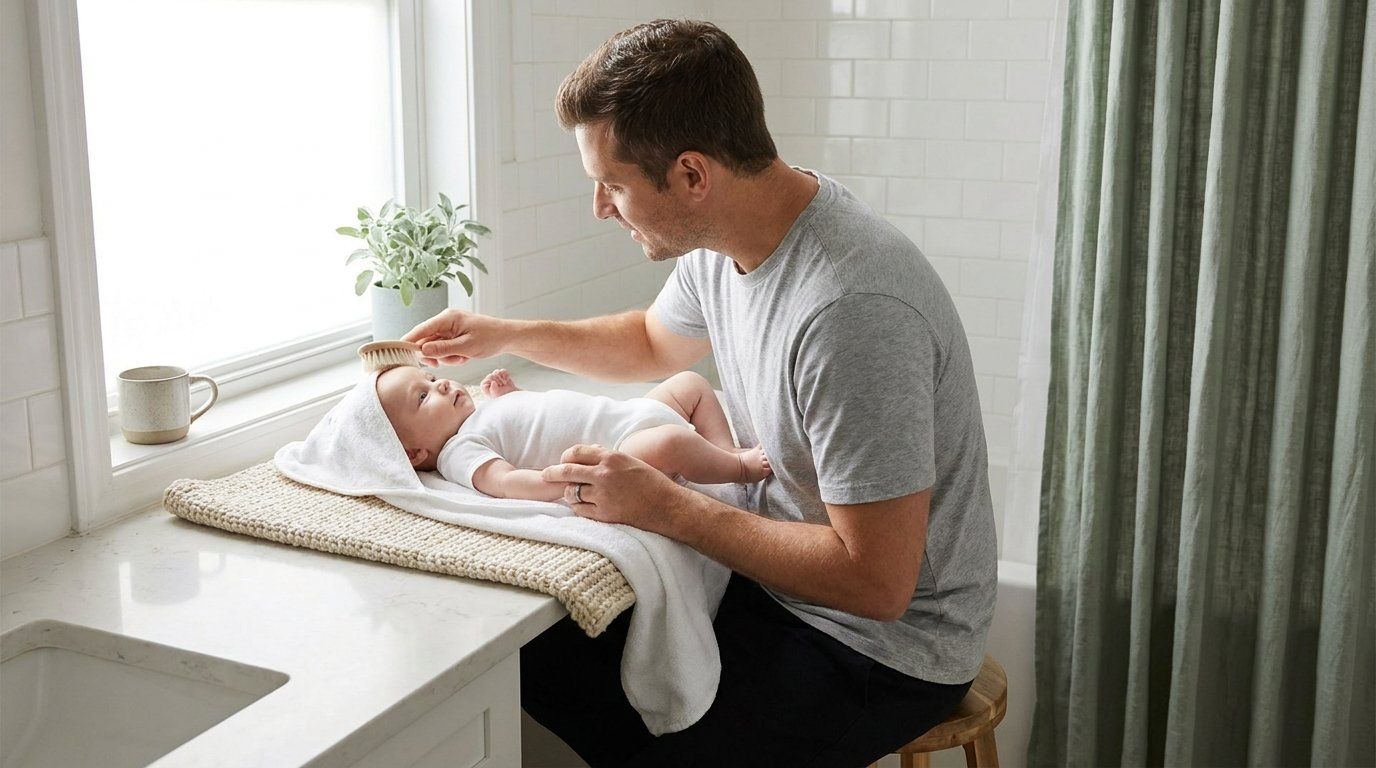
- Bath: sponge baths only until the umbilical cord stump falls off, usually by one to two weeks. Never leave a baby alone in the bath, even for an instant. The AAP recommends setting your water heater so the faucet is no hotter than 120°F.
- Cord care: no alcohol needed. Keep the stump clean and fold the diaper below it.
For the hospital itself, see our hospital bag checklist for dads. For carrying the baby around the house, see baby carriers for big and tall dads, and for watching them sleep, baby monitors without Wi-Fi.
FAQ
What does a newborn need in the first month?
A safe place to sleep (a bassinet, crib or play yard that meets federal standards, with a fitted sheet), a rear-facing infant car seat, feeding gear, a rectal thermometer, diapers and wipes, and a few easy outfits. Most other registry items can wait.
What should a dad buy for a newborn?
The things you’ll use on your shifts: a few small bottles for night feeds, a rectal thermometer, a nasal aspirator, and a nail clipper. Also own the car seat: install it and get it checked before the due date.
Are crib bumpers safe?
No. Padded crib bumpers are banned under the Safe Sleep for Babies Act, signed in May 2022, along with inclined sleepers that raise a baby’s head more than 10 degrees. The AAP says nothing but a fitted sheet should be in the crib.
Are weighted sleep sacks safe for newborns?
No. The AAP says not to use weighted blankets, sleepers, swaddles or other weighted objects on or near a baby. A regular, non-weighted wearable blanket is the safe choice.
When should I call the doctor about a fever?
If your baby is younger than 3 months and has a rectal temperature of 100.4°F or higher, call your pediatrician right away, says the AAP.
Sources
- How to Keep Your Sleeping Baby Safe: AAP Policy Explained and Inclined Sleepers and Other Baby Registry Items to Avoid, American Academy of Pediatrics (HealthyChildren.org)
- Car Seats: Information for Families, AAP
- How to Take a Child’s Temperature and When to Call the Pediatrician: Fever, AAP
- Amount and Schedule of Baby Formula Feedings, AAP
- My baby has a stuffy nose. How can I help them sleep safely?, Nailing It, Changing Diapers, Dressing Your Newborn, Bathing Your Baby and Umbilical Cord Care, AAP
- Proper Storage and Preparation of Breast Milk and Infant Formula Preparation and Storage, Centers for Disease Control and Prevention
- 16 CFR Part 1309: Ban of Crib Bumpers and Part 1310: Ban of Inclined Sleepers, Electronic Code of Federal Regulations
- Product pages: HALO BassiNest Essential, HALO SleepSack, Chicco KeyFit 35, Dr. Brown’s Options+ glass bottles, Dr. Brown’s MilkSPA, Frida Baby thermometer, NoseFrida and NailFrida